Fall is a great time of year – kids go back to school, football is in full swing… there’s a lot to love about the season. This is also the time of year when we find a ton of failed heat exchangers in package rooftop units all across Central Pennsylvania. Let’s talk for a minute how it happens, and why it matters.
What Does a Heat Exchanger Do?
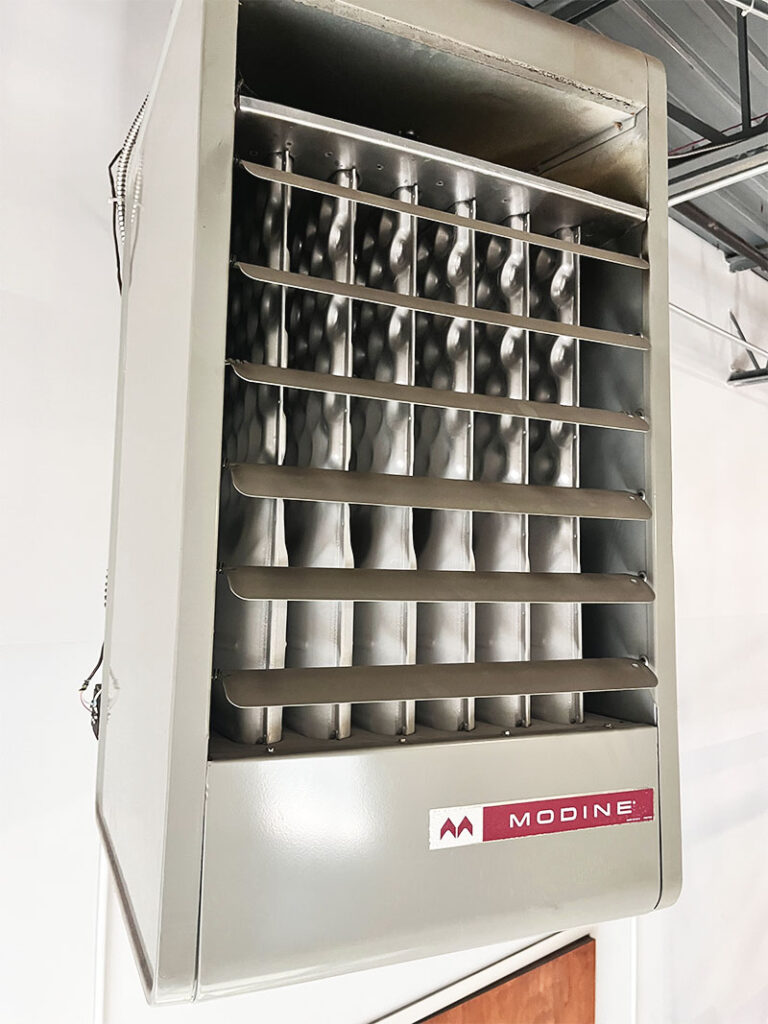
Think of the Heat Exchanger in a gas-fired package rooftop unit as the combustion chamber, the exhaust pipe, of the unit. It’s job is to get hot, and to have air forced across it to keep your building comfortable. Aside from its name, it’s job is to keep the air streams separate – the combustion gases produced in normal operation aren’t for humans to breathe, and a properly functioning heat exchanger and vent eject them safely.
How Heat Exchanger Cracks Happen
The first time your gas-fired rooftop unit kicks on for heat, it’s the first time it’s done so in many, many months. And all it’s ever done is get hot, then cold when the unit shuts off. Rinse and repeat thousands of times. Metal expands, contracts, and just like an exhaust pipe, eventually starts to deteriorate.
Gas Fired RTU’s run hard and age quietly, and a lack of proper maintenance can accelerate this aging process – dirty filters, failed blowers – don’t get us started.
The Carbon Monoxide Risk Inside Your Building
So when cracks and structural failure of the ‘HX’ start to occur, you might not notice right away. But make no mistake, the odorless, toxic vent gases are now in the airside systems of your building, and your system distributes them to your occupants as if everything was fine.
Fall Maintenance and the Repair vs. Replace Decision
A good mechanical service contractor finds issues like this on Fall Preventative Maintenance assignments, and brings them to your attention. A cracked HX is a safety issue, and you should shut down the unit and lock it out until it’s safe to operate again. Sometimes replacing the Heat Exchanger in your RTU or Split System doesn’t make financial sense, depending on the age, and a good contractor should be able to help you weigh the ‘repair vs. replace’ conversation so you can make a good and timely decision as you approach colder weather.
Install Carbon Monoxide Detectors
Extra Mile Mechanical recommends placing Carbon Monoxide detectors in your buildings that use gas-fired heat systems for this reason. At the first sign of a non-zero reading, give us a ring at 717-210-MILE and we’d be happy to help you decide how to move forward.
An Ounce of Prevention
As always, an ounce of prevention is worth a pound of cure, and proper maintenance even on simpler gas-fired systems prolongs their lifespan significantly.